Featured
The Only Guide to Actionable Tips Following Debt Forgiveness
Frequent False Beliefs Regarding How Inflation Impacts Yo...
The Ultimate Guide To Creating Post-Bankruptcy Financial ...

The 8-Minute Rule for Bankruptcy Basics and Qualifications
Table of Contents
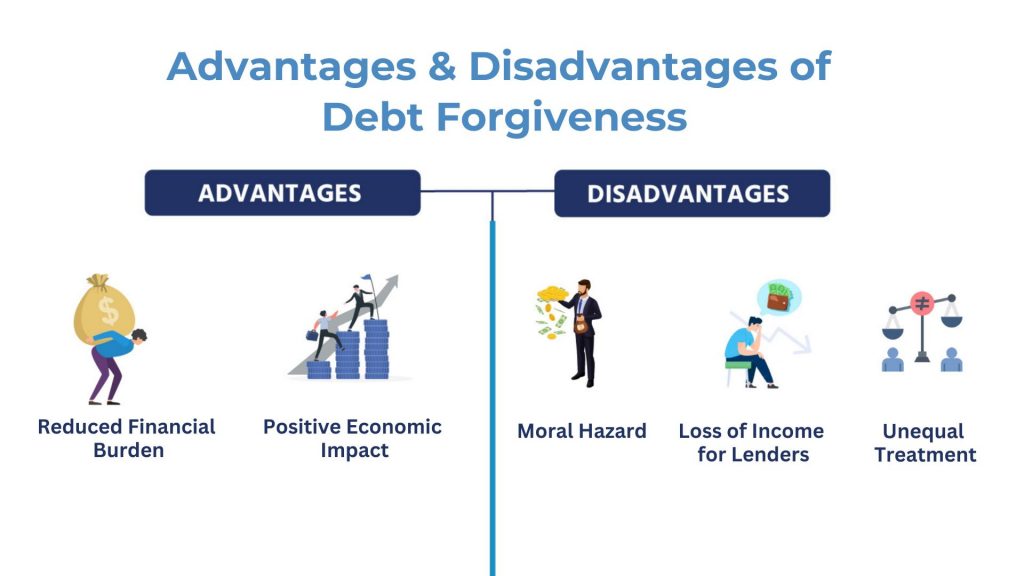
That maximizes cash in the short-term, and you might have three to four years to save toward the negotiation amount. Extremely harmful to credit report, largely as a result of missed out on settlements and an adverse "resolved" mark that could stay on your credit record for approximately 7 yearsMay be only choice if other choices (debt consolidation, balance transfer credit cards, financial debt mercy) aren't possibleTypically needs a charge to the 3rd party, which could balance out some or all of the cost savings from financial debt settlementMay help you prevent bankruptcy if you have actually missed numerous paymentsNot all financial institutions deal with financial debt settlement firms Debt mercy may be right for you if you are experiencing a financial challenge that makes it almost impossible to pay for your financial debt balances.

With a DMP, you make one regular monthly settlement to the credit scores counseling company. Those funds are after that distributed to financial institutions of your unsafe debts, such as credit score cards and installment financings. The company collaborates with your lenders to reduce rates of interest or forgo costs, yet some financial institutions may decline such concessions.
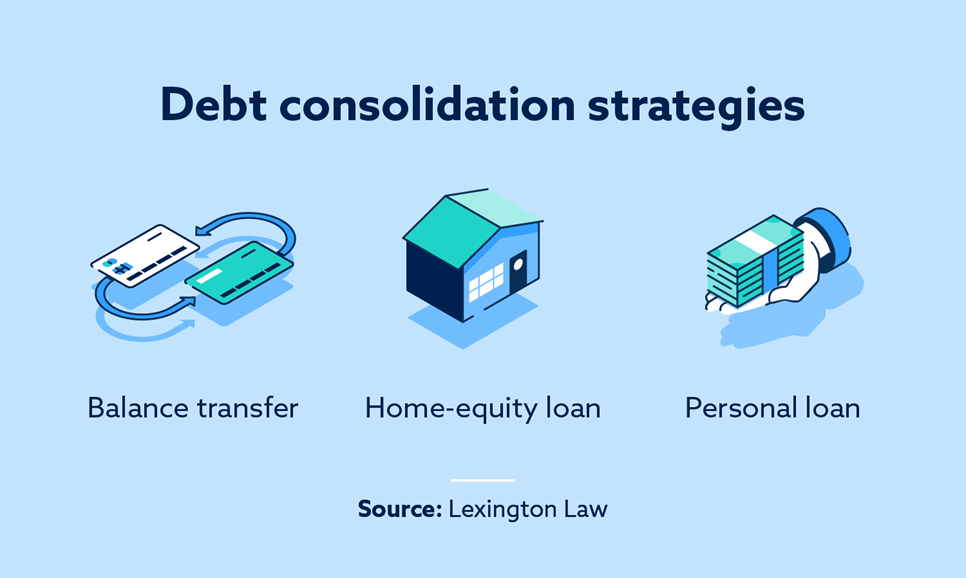
A financial obligation consolidation car loan combines your eligible financial debts right into one new loan. It can help you pay for debt if you're able to protect a funding rate that's less than the average price of the accounts you're combining. You must abstain from racking up debt on those newly removed accounts or your debt could expand also higher.
That offers you plenty of time to remove or substantially lower your balance while making interest-free settlements.
About Red Flags When Researching Debt Relief Help
You might need it if your financial institution or a collection agency ever tries to gather on the debt in the future. When a lending institution forgives $600 or even more, they are needed to send you Type 1099-C.
Financial obligation mercy or settlement generally hurts your credit score. Anytime you resolve a debt for less than you owe, it might show up as "settled" on your credit record and impact your credit report rating for 7 years from the day of negotiation. Your credit report can likewise drop significantly in the months leading to the forgiveness if you fall back on settlements.
Some Known Details About Real Stories from Bankruptcy Counseling Users
This scenario commonly results from underreporting earnings, not filing returns on time, or inconsistencies found during an IRS audit. The consequences of accumulating tax debt are significant and can include tax liens, which offer the Internal revenue service a legal claim to your home as security for the debt.
Greater rates of interest on available credit history. Salaries and Financial institution Accounts internal revenue service can impose (confiscate) salaries and savings account to satisfy the financial debt. Lowered income and interruption of vital financial processes. Home Seizure In severe instances, the internal revenue service can seize and market building to cover the debt. Loss of beneficial assets and prospective variation.
Anxiety, anxiousness, and other mental health issues. Social Preconception Dealing with lawful action from the internal revenue service can bring social stigma. Damages to track record and partnerships. Employment Opportunities An inadequate credit report as a result of tire financial obligation can restrict employment possibilities. Trouble searching for or maintaining a work. Government Advantages Tax obligation financial obligation might impact qualification for government advantages, such as Social Security and Medicaid.
An Unbiased View of Post-Bankruptcy Programs Including Check-In Programs
The OIC thinks about numerous elements, consisting of the taxpayer's income, expenses, possession equity, and ability to pay. Efficiently bargaining an OIC can be complex, calling for a comprehensive understanding of the IRS's standards and a solid argument for why your offer straightens with your capability to pay. It is necessary to note that not all applications are approved, and the procedure requires thorough financial disclosure.
The internal revenue service analyzes your overall monetary situation, including your income, expenditures, asset equity, and capability to pay. You should also be existing with all declaring and settlement needs and not be in an open insolvency proceeding. The internal revenue service additionally considers your compliance background, examining whether you have a record of prompt filing and paying taxes in previous years.
The Single Strategy To Use For Actual Testimonials from Housing Counseling Services : APFSC Guidance for Homeownership Users
The application process for a Deal in Compromise entails several in-depth actions. First, you must finish and send internal revenue service Form 656, the Offer in Compromise application, and Type 433-A (OIC), a collection details declaration for individuals. These forms require detailed financial details, consisting of details about your revenue, financial obligations, expenses, and properties.
Back taxes, which are overdue taxes from previous years, can substantially boost your overall IRS financial obligation otherwise resolved immediately. This financial debt can accumulate passion and late settlement fines, making the original quantity owed a lot larger in time. Failing to pay back tax obligations can cause the internal revenue service taking enforcement activities, such as issuing a tax lien or levy versus your residential property.
It is essential to resolve back taxes asap, either by paying the sum total owed or by setting up a layaway plan with the IRS. By taking aggressive steps, you can stay clear of the build-up of added passion and charges, and prevent more hostile collection actions by the internal revenue service.
One usual reason is the belief that the taxpayer can pay the sum total either as a lump sum or through a settlement plan. The internal revenue service likewise takes into consideration the taxpayer's earnings, expenses, asset equity, and future earning capacity. If these variables show that the taxpayer can manage to pay more than the offered amount, the IRS is likely to decline the deal.
The smart Trick of Everything Must Prepare For Throughout the Housing Counseling Services : APFSC Guidance for Homeownership Experience That Nobody is Discussing
Dealing with Internal revenue service debt can be complicated and overwhelming. Tax obligation specialists, such as CPAs, tax attorneys, or registered representatives, can supply important assistance.

Table of Contents
Latest Posts

The Only Guide to Actionable Tips Following Debt Forgiveness
What Does Is Bankruptcy Right for Your Situation Do?

Frequent False Beliefs Regarding How Inflation Impacts Your Debt Repayment Strategy Fundamentals Explained
More
Latest Posts
The Only Guide to Actionable Tips Following Debt Forgiveness
What Does Is Bankruptcy Right for Your Situation Do?
Frequent False Beliefs Regarding How Inflation Impacts Your Debt Repayment Strategy Fundamentals Explained